What Is Cantika Cute Handwriting and Why It's Taking Over Bullet Journals and Digital Design
You have likely scrolled past a beautifully curated planner page, a heartwarming greeting card, or a viral Instagram story where every letter seemed to dance with personality. That playful, rounded, and irresistibly charming script you admired might well be inspired by Cantika Cute Handwriting. In an age dominated by sterile fonts and rushed typing, this distinctive style has emerged as a beloved form of personal expression. But what exactly is it, and why has it captured the hearts of doodlers, designers, and diary keepers alike? This article unpacks everything you need to know about Cantika Cute Handwriting, from its defining characteristics to its practical role in modern creativity, education, and business.
Understanding Cantika Cute Handwriting: More Than Just Pretty Letters
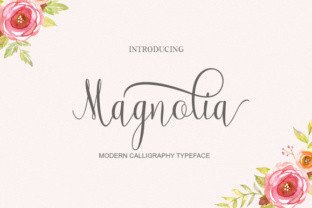
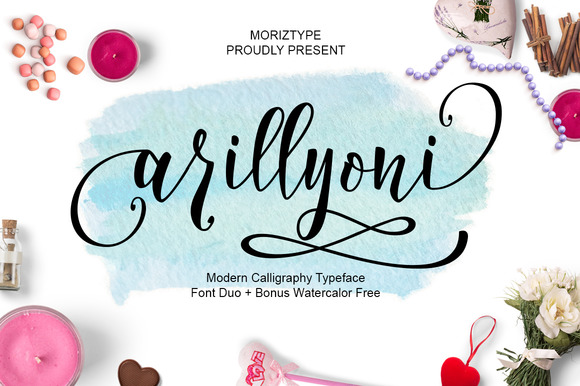
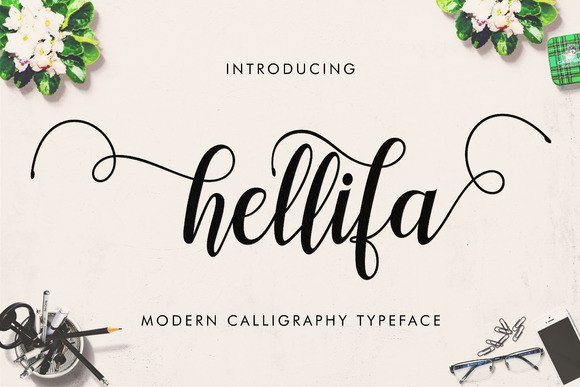
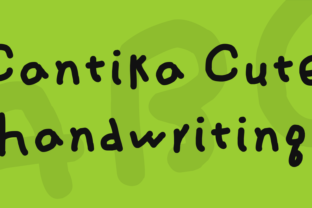
At its core, Cantika Cute Handwriting is a decorative writing style characterized by soft, rounded letterforms, uniform sizing, and an overall playful yet neat appearance. The term "Cantika" itself draws from Indonesian and Malay origins, meaning "beautiful" or "cute," which perfectly captures the aesthetic intention behind the script. Unlike formal calligraphy or rigid print handwriting, this style prioritizes approachability and charm over strict precision.
Imagine the difference between a formal invitation printed in Times New Roman and a handwritten note from a close friend. Cantika Cute Handwriting sits firmly in that warm, personal space. Its letters often feature exaggerated loops, gentle curves, and consistent spacing that make the text feel almost three-dimensional. Many practitioners describe it as "bubbly" or "whimsical," and it frequently incorporates small decorative elements such as hearts, stars, or tiny flowers woven into the letters themselves.
Key Visual Traits of the Style
- Rounded letterforms: Straight lines are minimized; instead, curves dominate, giving each character a soft, welcoming feel.
- Consistent height and width: Unlike expressive cursive that varies wildly, Cantika style keeps letters evenly sized for easy readability.
- Playful embellishments: Dots on "i"s might become small circles or hearts; descenders on "g" and "y" often curl back up in a loop.
- Light to medium pressure: The stroke weight stays relatively uniform, avoiding the dramatic thick-thin contrast seen in traditional calligraphy.
- Positive spacing: Letters and words breathe, with generous white space that reduces visual clutter.
The Purpose and Significance of Cute Handwriting in a Digital World
You might wonder: in an era where we type more than we write, why invest time in a handwriting style that looks deliberately "cute"? The answer lies in the human need for connection, authenticity, and mindfulness. Cantika Cute Handwriting serves several meaningful purposes that extend far beyond aesthetics.
Personal Expression and Identity
Handwriting remains one of the most intimate forms of self-expression. No two people write exactly alike, even when they practice the same style. When you adopt elements of Cantika Cute Handwriting, you are not merely copying a font — you are filtering it through your own hand's muscle memory, pressure, and rhythm. This creates a signature look that feels uniquely yours. For teenagers and young adults especially, developing a cute handwriting style can be a powerful way to project personality in school notes, letters, and social media.
Mindfulness and Mental Well-Being
The act of slowly, deliberately forming beautiful letters has been compared to meditation. Followers of bullet journaling and creative planning often report that practicing Cantika-style writing lowers stress and improves focus. The repetitive motion of drawing loops and curves activates the parasympathetic nervous system, offering a screen-free break from the relentless pace of digital life. In this sense, the style functions as a form of art therapy that anyone can access with just a pen and paper.
Reviving the Lost Art of Note-Taking
Educators and students have rediscovered that handwriting improves memory retention far more than typing. When notes are visually appealing — thanks to a cute, organized handwriting style — the writer is more likely to review them later. Cantika Cute Handwriting, with its emphasis on clear letterforms and pleasing layout, naturally encourages better study habits. The style makes note-taking feel less like a chore and more like a creative project.
Where Cantika Cute Handwriting Fits Into Modern Life
This handwriting style is far from a niche hobby. It has permeated multiple areas of daily life, from analog planners to digital design tools. Let us explore its practical relevance across different domains.
Bullet Journaling and Creative Planning
Perhaps the most visible home for Cantika Cute Handwriting is the bullet journal community. Pinterest and Instagram are flooded with spreads where headers, trackers, and daily logs are rendered in this bubbly script. Journalers use it to create monthly covers, habit trackers, and gratitude logs. The style's neatness ensures that even densely packed pages remain readable, while its playfulness injects joy into routine tasks like scheduling and goal-setting.
Digital Design and Social Media
With the rise of digital planning apps like GoodNotes, Notability, and Procreate, the demand for cute handwriting has exploded. Digital creators sell handwriting fonts and brush packs modeled after the Cantika aesthetic. Social media influencers use the style in Stories, Reels, and TikToks to make text overlays more engaging. Branding for lifestyle businesses — particularly in beauty, stationery, and wellness — frequently mimics this handwriting to convey warmth and authenticity. A coffee shop menu or a small business logo that uses Cantika-style lettering instantly feels more approachable than one using a standard sans-serif font.
Education and Classroom Materials
Teachers have begun incorporating cute handwriting into classroom decorations, worksheets, and bulletin boards. The visual appeal captures students' attention and makes learning materials feel less intimidating. For younger children just learning to write, exposure to a clear, rounded style like Cantika can serve as an aspirational model. Meanwhile, university students often adopt the style for lecture notes, flashcards, and study guides, finding that the extra effort invested in neatness pays off during exam review.
Gift-Giving and Personal Correspondence
In a world of instant messages, receiving a handwritten letter is a rare treasure. Applying Cantika Cute Handwriting to birthday cards, thank-you notes, or love letters elevates the sentiment. The receiver understands that the writer took time not just to think about the words, but also to present them beautifully. This adds an emotional layer that typed text simply cannot replicate.
Common Misunderstandings About Cute Handwriting
Despite its popularity, several myths surround Cantika Cute Handwriting. Let us clear these up so you can approach the style with confidence.
- Myth: It is only for girls or young children. While the aesthetic is certainly popular among those groups, people of all ages and genders enjoy cute handwriting. Artists, engineers, and business professionals use it in planners and journals. Style has no gender.
- Myth: You need special pens or expensive supplies. The style primarily depends on technique, not tools. A standard ballpoint pen or a fine-liner marker works perfectly. Fancy brush pens can add flair, but they are optional.
- Myth: It takes years to learn. Basic proficiency can be achieved in a few weeks of regular practice. The letterforms are intentionally simple and repetitive. Most learners see noticeable improvement within days.
- Myth: It is not professional or appropriate for work. Context matters. While you would not use it for a legal contract or a corporate annual report, it works beautifully for internal team notes, whiteboard brainstorming, or client welcome packets in creative industries.
How to Develop Your Own Cantika-Inspired Handwriting
If you are intrigued and want to try it yourself, here is a practical roadmap. Remember that the goal is not perfection, but personal expression.
Start with the Basics
- Observe and analyze: Look at examples of Cantika style online. Notice how the letters are constructed. Pay attention to the curves, the loops, and the spacing.
- Practice individual letters: Begin with lowercase letters, especially the vowels (a, e, i, o, u) since they appear most frequently. Focus on making them round and even.
- Move to words: Once you feel comfortable with individual letters, write simple words like "cute," "love," "hello," and "smile." Repeat them slowly.
- Add embellishments mindfully: Start with one small decoration — perhaps a heart dot on the letter "i." Do not overdo it; the goal is enhancement, not distraction.
Use Guides and Templates
Printable practice sheets with dashed lines and traceable letters are widely available online. Many creators offer free PDFs specifically for Cantika-style handwriting. Tracing helps your hand internalize the shapes and rhythm. You can also download Cantika-inspired fonts to see how professional digitized versions handle letter connections and spacing.
Integrate the Style into Your Daily Routine
The fastest way to improve is to use the style for real tasks. Write your grocery list in Cantika style. Address an envelope. Draft a journal entry. By making it part of your everyday handwriting, the movements will become automatic. You do not need to dedicate hours to drills — five to ten minutes of mindful writing each day yields steady progress.
The Future of Cute Handwriting in a Digital-First World
As artificial intelligence and voice typing become more prevalent, the value of human handwriting may paradoxically increase. Unique, personal scripts like Cantika Cute Handwriting represent something that technology cannot fully replicate: the imperfect, soulful mark of a human hand. The style is already being adapted into digital fonts for use in e-books, mobile apps, and website headers. Some designers are even training AI models to generate personalized handwriting that mimics a user's natural style — but the authentic, analog version remains the gold standard for emotional resonance.
In education, the growing interest in "slow learning" and mindful productivity ensures that beautiful handwriting will remain relevant. Schools that cut cursive from their curricula are now reconsidering, as research continues to affirm the cognitive benefits of handwriting. Cantika Cute Handwriting, with its emphasis on clarity and joy, sits at the intersection of tradition and modern aesthetics.
Final Thoughts: More Than Just a Font
Cantika Cute Handwriting is not merely a trendy way to write. It is a tool for self-expression, a gateway to mindfulness, and a bridge between the analog and digital worlds. Whether you are a seasoned bullet journalist, a teacher looking to brighten your classroom, or someone who simply wants to make their to-do list a little more enjoyable, this style offers a welcoming path forward. The beauty of Cantika lies not in achieving flawless letters, but in the joy of creating them. Pick up a pen, slow down, and let your handwriting tell a story that only you can write.