Fadli Script: A Practical Evaluation for Calligraphy and Design Projects
When exploring the landscape of calligraphic scripts, typography, or traditional writing systems, you may encounter Fadli Script. This term often emerges in discussions about decorative lettering, Islamic calligraphy, or modern interpretations of classical scripts. But what exactly is Fadli Script, and how does it compare to other styles? This article provides a balanced, decision-focused evaluation to help you understand whether Fadli Script aligns with your creative, professional, or personal goals.
What Is Fadli Script?
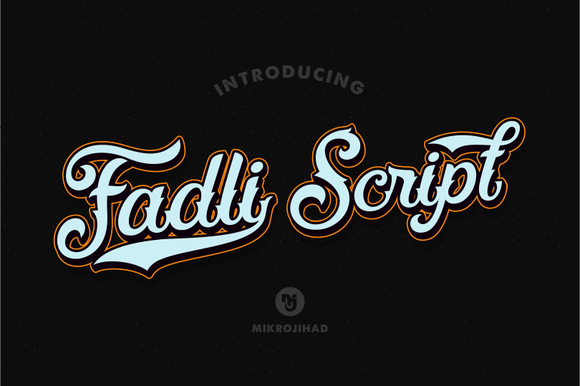
Fadli Script refers to a calligraphic style that blends elements of traditional Arabic or Jawi letterforms with contemporary design sensibilities. Named after a calligrapher or stylistic lineage—often associated with Southeast Asian or Middle Eastern traditions—it is recognized for its flowing curves, balanced proportions, and readable yet decorative appearance. Unlike more rigid geometric scripts, Fadli Script emphasizes fluidity and rhythm, making it suitable for both formal and informal contexts. It is not a single standardized script but rather a family or approach that individual artists adapt, which means you may encounter variations in execution and interpretation.
Understanding Fadli Script requires distinguishing it from other calligraphic systems. It is neither as structured as Thuluth nor as angular as Kufic. Instead, it occupies a middle ground: legible enough for body text in certain settings, yet ornamental enough for headings, logos, and ceremonial documents. This versatility underpins much of its appeal.
Why Consider Fadli Script? Key Motivations
People explore Fadli Script for several reasons, often rooted in aesthetic preference, cultural connection, or functional requirements. Understanding these motivations helps clarify whether this script is worth your time and resources.
- Aesthetic appeal: The fluid, dynamic letterforms can add elegance and personality to designs. If you value visual harmony and organic movement, Fadli Script may resonate with your tastes.
- Cultural or religious significance: For those working with Islamic art, Malay heritage, or Arabic calligraphy, Fadli Script offers a contemporary way to engage with tradition. It can be used in mosque decoration, religious texts, or community branding.
- Differentiation: In a world of ubiquitous fonts, a distinctive script helps projects stand out. Fadli Script is less common than Naskh or Diwani, making it a unique choice for artists and designers seeking originality.
- Readability with ornamentation: Many decorative scripts sacrifice legibility for flourish. Fadli Script attempts to balance both, which can be crucial for signage, invitations, or publications where clarity matters.
Benefits and Tradeoffs of Fadli Script
No script is universally superior. Evaluating Fadli Script requires an honest look at its strengths and limitations relative to your context.
Benefits
- Visual flexibility: The script adapts well to different media—digital, print, or hand-rendered. Its curves can be tightened for formal compositions or loosened for casual applications.
- Cultural resonance: For audiences familiar with Malay, Arabic, or Islamic visual traditions, Fadli Script evokes authenticity and respect for heritage. This can enhance communication in community projects, educational materials, or cultural campaigns.
- Artistic expression: Because Fadli Script is not rigidly standardized, calligraphers and typographers have room to experiment. This freedom supports innovation and personal style development.
Tradeoffs
- Consistency challenges: Without a single authoritative standard, different practitioners may produce inconsistent results. If you require uniformity across a large project (e.g., a book or brand identity), you may face difficulties.
- Learning curve: Mastering Fadli Script takes time. The fluid strokes demand practice, especially if you are new to calligraphy. This can be a barrier for beginners or tight deadlines.
- Limited digital availability: Unlike widely used scripts, Fadli Script may have fewer high-quality fonts or software tools. You might need to commission custom work or learn hand-rendering, which increases cost and effort.
- Regional recognition: In international contexts, audiences may not immediately recognize or value the script. If your project targets a global audience, consider whether the script's cultural specificity supports or hinders your message.
Situations Where Fadli Script Is a Strong Fit
Fadli Script excels in scenarios where cultural authenticity, artistic flair, and moderate formality converge. The following situations highlight its strengths:
- Cultural and religious publications: Books, pamphlets, or digital content about Islamic teachings, Malay literature, or regional history benefit from the script's heritage associations.
- Ceremonial items: Wedding invitations, event programs, or certificates that seek an elegant, non-sterile appearance can leverage Fadli Script's flowing character.
- Branding for heritage-focused organizations: Museums, cultural centers, or community groups can use the script to signal tradition and craftsmanship. It works well in logos, signage, or merchandise.
- Art projects and personal expression: Calligraphers exploring identity or narrative often choose Fadli Script for its expressive range. It allows for emotional nuance that more rigid scripts may not convey.
When Alternatives May Be Worth Considering
Fadli Script is not ideal for every application. In these situations, other scripts might better serve your goals:
- High-volume digital text: For websites, ebooks, or long articles, scripts with proven screen readability (e.g., Naskh, Sans-serif) outperform Fadli Script. Its ornamental nature can cause eye fatigue in extended reading.
- International branding: If your brand targets a multicultural audience, a neutral or universally recognized typeface may avoid misinterpretation. Fadli Script's cultural specificity could be perceived as exclusive.
- Tight deadlines or limited budget: Commissioning custom Fadli Script work or learning the technique is time-intensive. Ready-made digital fonts in more common scripts are faster and cheaper.
- Technical documentation: Manuals, forms, or data-heavy content require maximum clarity. A straightforward, sans-serif style typically outperforms decorative scripts in such contexts.
Practical Decision-Making Insights
To determine whether Fadli Script aligns with your needs, consider these actionable steps:
- Define your primary goal: Are you seeking aesthetic beauty, cultural connection, or functional readability? Rank these priorities to guide your choice. If artistry and heritage are top, Fadli Script is a strong candidate. If speed and universal legibility take precedence, explore alternatives.
- Evaluate your audience: Who will see or use the final product? If your audience values traditional calligraphy and recognizes its cultural context, Fadli Script builds rapport. For diverse or unfamiliar audiences, test the script in mockups to gauge reaction.
- Assess your resources: Do you have access to a skilled calligrapher or a reliable digital font? If not, factor in the cost and time to acquire these resources. Beginners may start with simpler scripts and transition to Fadli Script later.
- Prototype and iterate: Create a small sample of your project using Fadli Script. Compare it with a version using a neutral script. Ask colleagues or target users for honest feedback on clarity, tone, and appeal.
- Consider hybrid approaches: You do not have to commit entirely to one script. Use Fadli Script for headings, titles, or decorative elements, and pair it with a clean complementary script for body text. This strategy balances distinctiveness with accessibility.
Managing Expectations
Working with Fadli Script involves navigating a few realities. First, because it is less standardized, you may encounter variations in quality and style between different artists or font files. Always request samples or proofs before finalizing a project. Second, copyright and attribution matter: some versions of Fadli Script are proprietary, so confirm licensing terms if using a digital font. Third, recognize that mastery takes time—whether you are learning the script yourself or commissioning an expert, patience yields better results. Finally, appreciate that Fadli Script is a living tradition; it evolves with each practitioner. Embrace this dynamism rather than seeking rigid perfection.
Conclusion: Is Fadli Script Right for You?
Fadli Script offers a distinctive blend of beauty, cultural depth, and artistic freedom. It is a compelling choice for projects where heritage, elegance, and individuality matter. However, it also demands careful consideration of consistency, audience, and resources. By weighing the benefits against the tradeoffs, and by testing the script in context, you can make an informed decision. Whether you choose Fadli Script or an alternative, the key is alignment with your purpose and audience. With thoughtful implementation, this script can elevate your work while honoring a rich calligraphic tradition.